

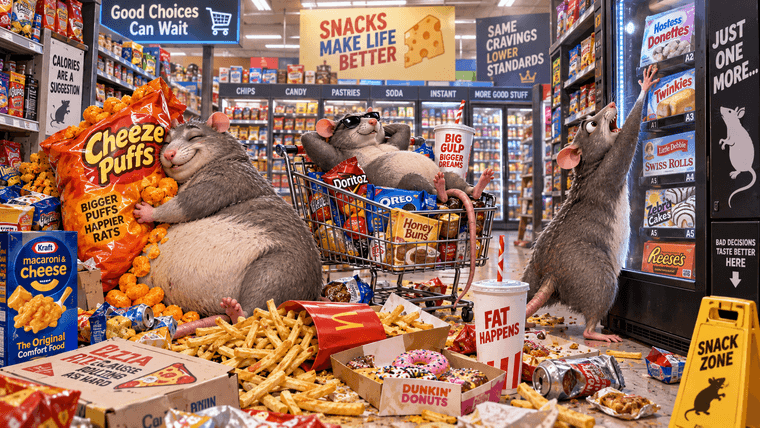
Ultra-processed foods trigger brain opioids
-
"Ultra-processed foods trigger the release of brain opioids and dopamine in ways that closely mirror the addictive properties of drugs like nicotine or alcohol.
How Ultra-Processed Foods Involve Opioids
• Endogenous Opioids: Eating foods high in refined sugars and fats causes the brain to release natural opioid chemicals (endorphins) that drive pleasure and motivation.
• Blocking Signals: Research shows that when people are given opioid-blocking drugs like Narcan, their intake of hyper-palatable foods (like cookies and candy) drops, though it does not affect whole, unprocessed foods like natural fruit.
• Receptor Changes: Over time, repeated high-dose exposure to engineered ingredients leads to receptor depletion and tolerance, meaning a person needs to eat more of the food to get the same satisfying effect.
• Withdrawal and Cravings: Just like substance use disorders, cutting out these foods can trigger emotional and physical withdrawal symptoms, intense cravings, and a loss of control.Opioid antagonists reduce the overconsumption of highly processed, hyper-palatable foods by blocking the brain's reward pathways. When we eat highly processed foods (engineered combinations of fat and refined carbohydrates), our bodies release endogenous opioids (endorphins) that create a dopaminergic "bliss point". Blockading these specific receptors decreases the perceived "pleasantness" and compulsive craving of these foods without affecting the intake of standard whole foods.
While clinical practice heavily relies on synthetic non-peptide small molecules like naltrexone and naloxone (or combinations like Naltrexone/Bupropion) to combat food addiction, there is a growing field of research focused on food-derived opioid antagonist peptides.Food-Derived Opioid Antagonist Peptides.
These bioactive sequences are generated naturally during digestion or through the fermentation of food proteins:
• Casoxins: These are μ-opioid receptor antagonist peptides derived from dairy proteins, specifically bovine casein and lactoferrin. Casoxin C is noted for having high biological potency.
• Lactoferroxins: Derived from the enzymatic digestion of lactoferrin (a protein found heavily in milk and whey), these act as selective opioid antagonists.
• Oryzatensin: This peptide is derived from the digestion of rice albumin. It acts as an antagonist on μ-type opioid receptors and possesses immunomodulating properties".Is this what GLP-1s are missing? *Narcan the next weight loss drug? lol
-
Ultra-processed foods (UPFs) make up 55% of the total daily calories consumed by Americans aged 1 and older, according to data from the Centers for Disease Control and Prevention (CDC).
Ultra-processed foods (UPFs) make up 55% of the total daily calories consumed by Americans aged 1 and older, according to data from the Centers for Disease Control and Prevention (CDC).
I think this is actually understated; easily 75%+. I see what most people eat in our lunch room & kids in the hood too. If I remember correctly, this type of CDC data is survey dependent and most people tend to lie.
"Is this what GLPs are missing?"
Not sure GLPs hit much of that, but GIP sure does; it also causes the severe constipation along with it.Proud to be on a gubmint watch list
-
Ultra-processed foods (UPFs) make up 55% of the total daily calories consumed by Americans aged 1 and older, according to data from the Centers for Disease Control and Prevention (CDC).
I think this is actually understated; easily 75%+. I see what most people eat in our lunch room & kids in the hood too. If I remember correctly, this type of CDC data is survey dependent and most people tend to lie.
"Is this what GLPs are missing?"
Not sure GLPs hit much of that, but GIP sure does; it also causes the severe constipation along with it. -
"Unfortunately the glp nor gip do anything to the opioit receptors.
@extropian They weren't designed to fix receptors. They were designed to addict us for life like pretty much all other drugs.

Hello! It looks like you're interested in this conversation, but you don't have an account yet.
Getting fed up of having to scroll through the same posts each visit? When you register for an account, you'll always come back to exactly where you were before, and choose to be notified of new replies (either via email, or push notification). You'll also be able to save bookmarks and upvote posts to show your appreciation to other community members.
With your input, this post could be even better 💗
Register Login